
CLEANING & SEALING · SPRING HILL, FL
Bring the color back to your pavers.
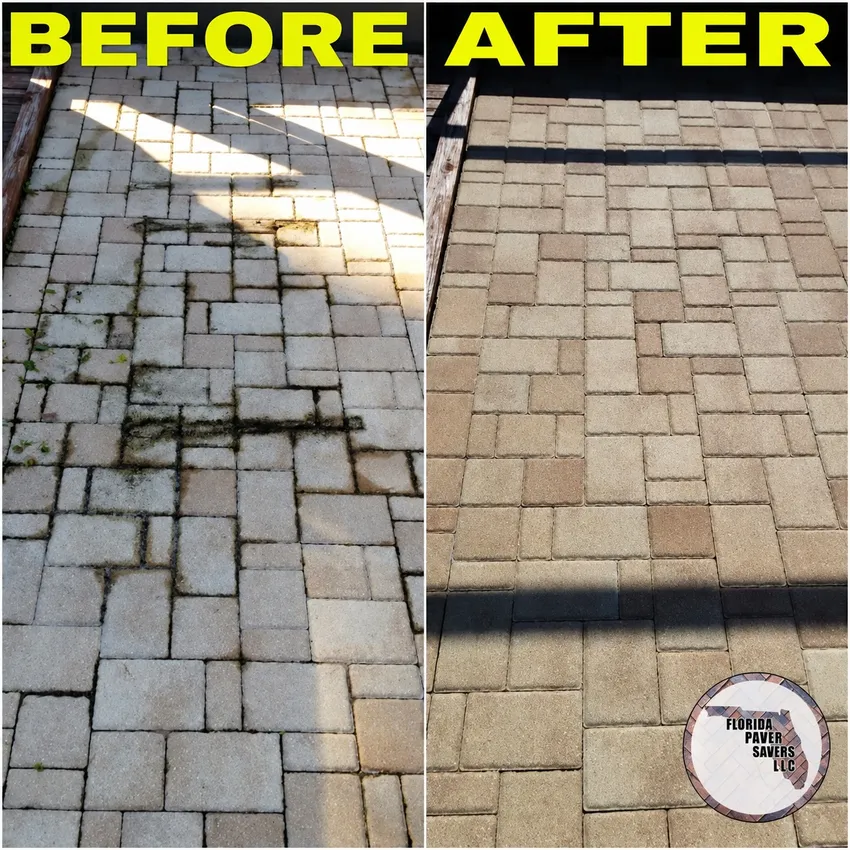
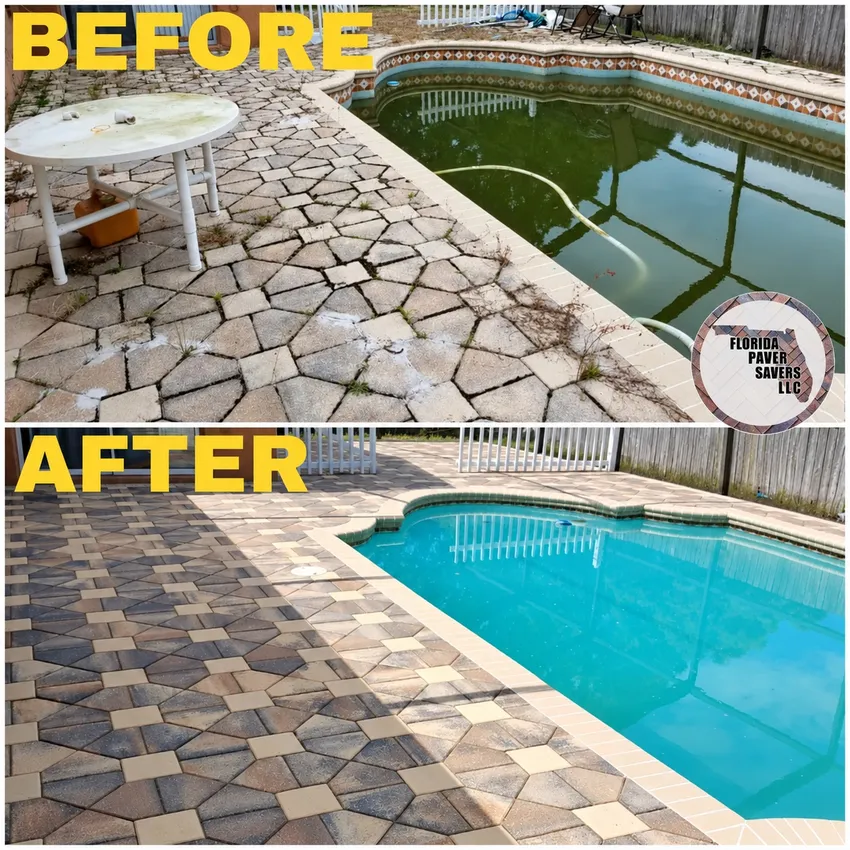
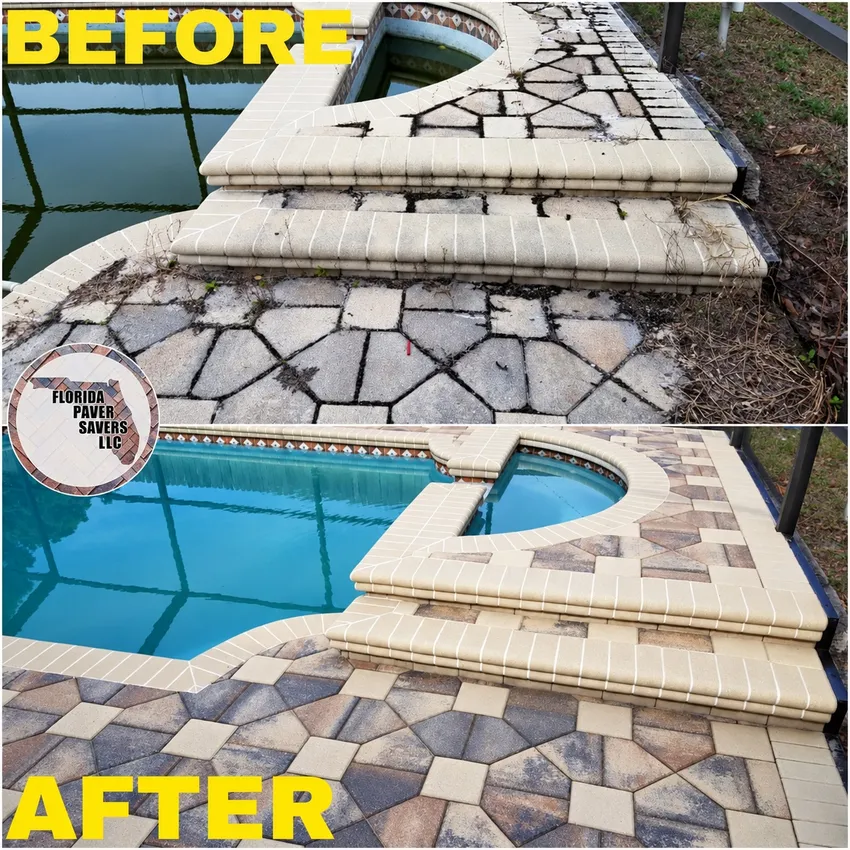
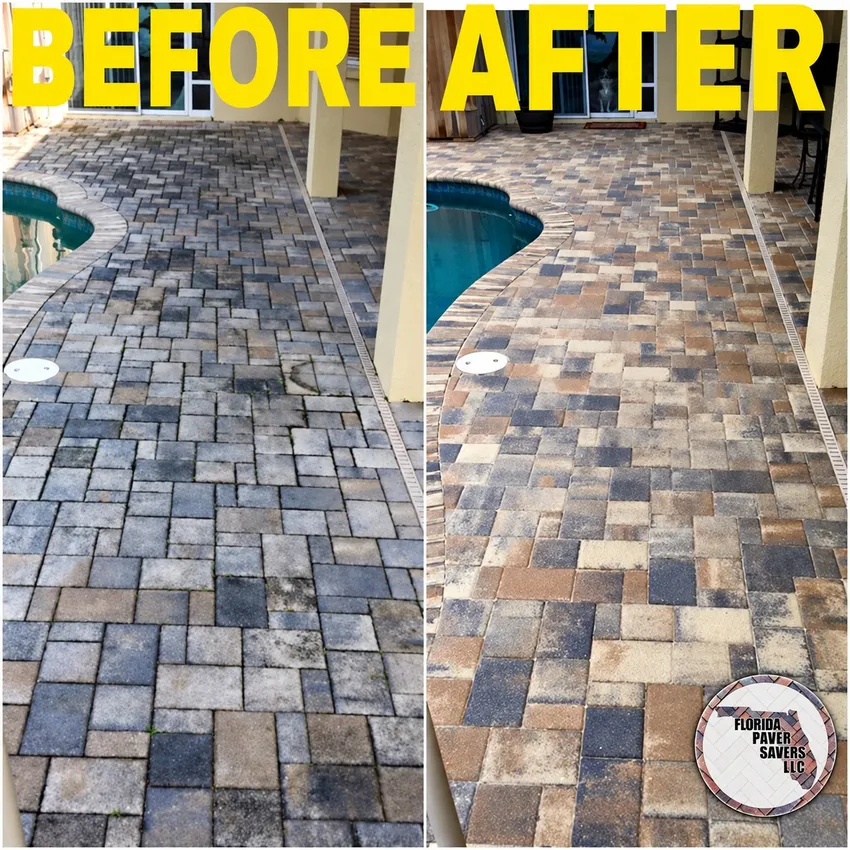
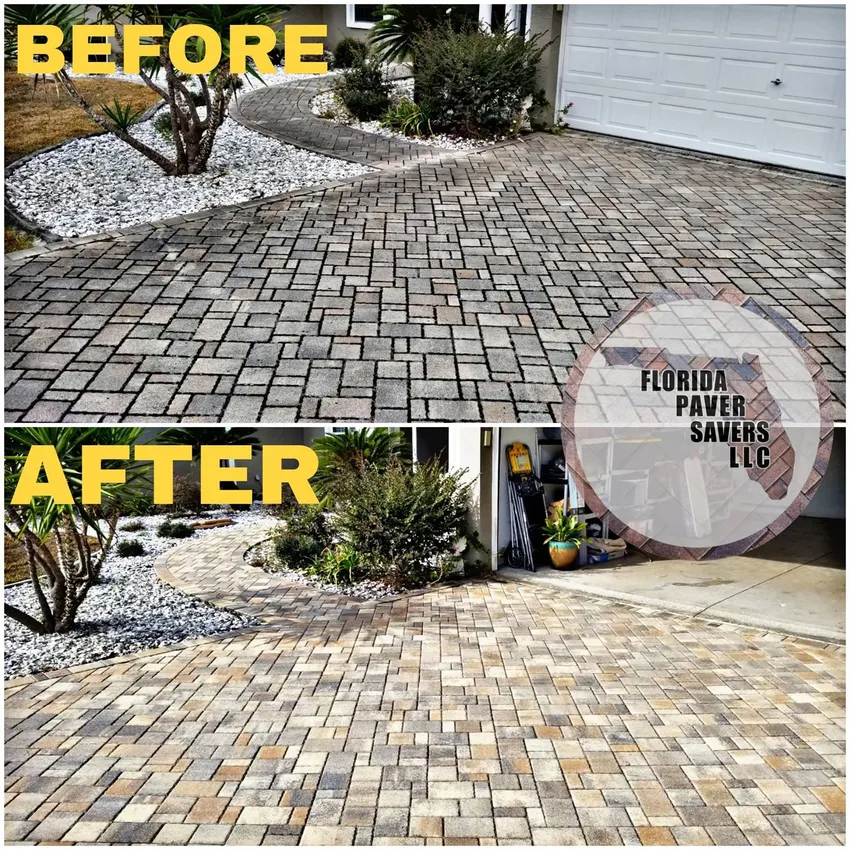
Florida sun, rain and everyday use take a toll. We clean, re-sand and seal pavers to refresh the look of driveways, patios, walkways and pool decks.
HOW WE WORK
A careful process, start to finish.
Our standard cleaning and sealing process includes pretreatment, cleaning, rinsing, joint re-sanding and two coats of sealer. We discuss existing coatings, stains and the condition of the surface during the estimate.
We commonly use a two-part water-based urethane gloss sealer. The finish and final appearance depend on the paver material and its current condition.
- Driveway, patio and pool deck cleaning
- Joint sand replacement
- Two sealer coats after proper preparation
- Existing sealer and joint sand assessment
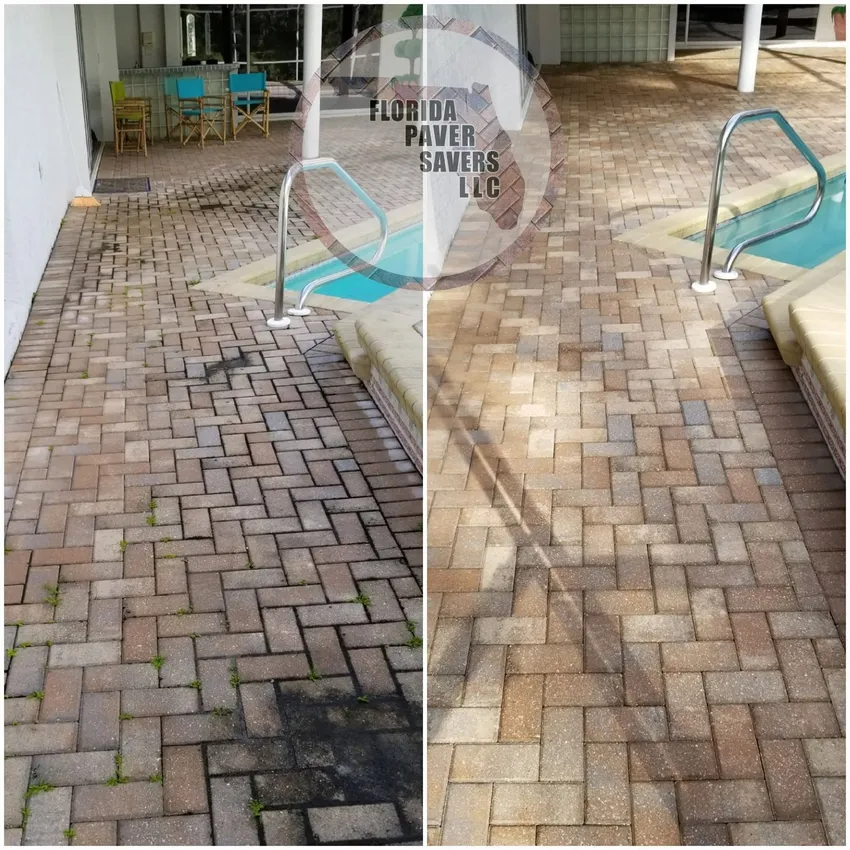
SEE OUR WORK
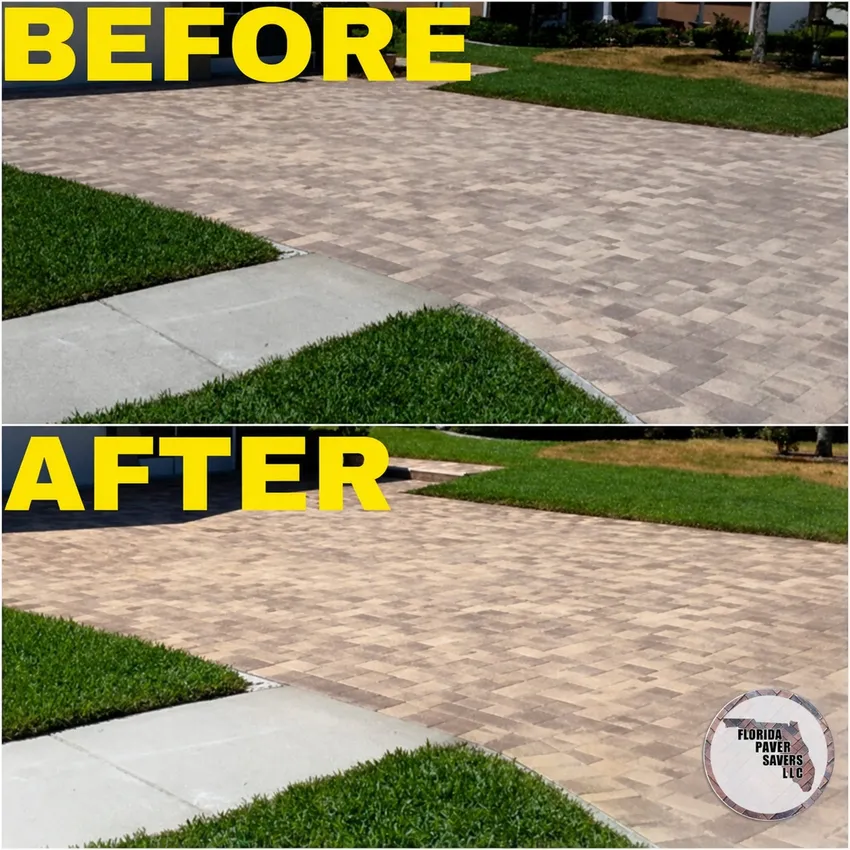
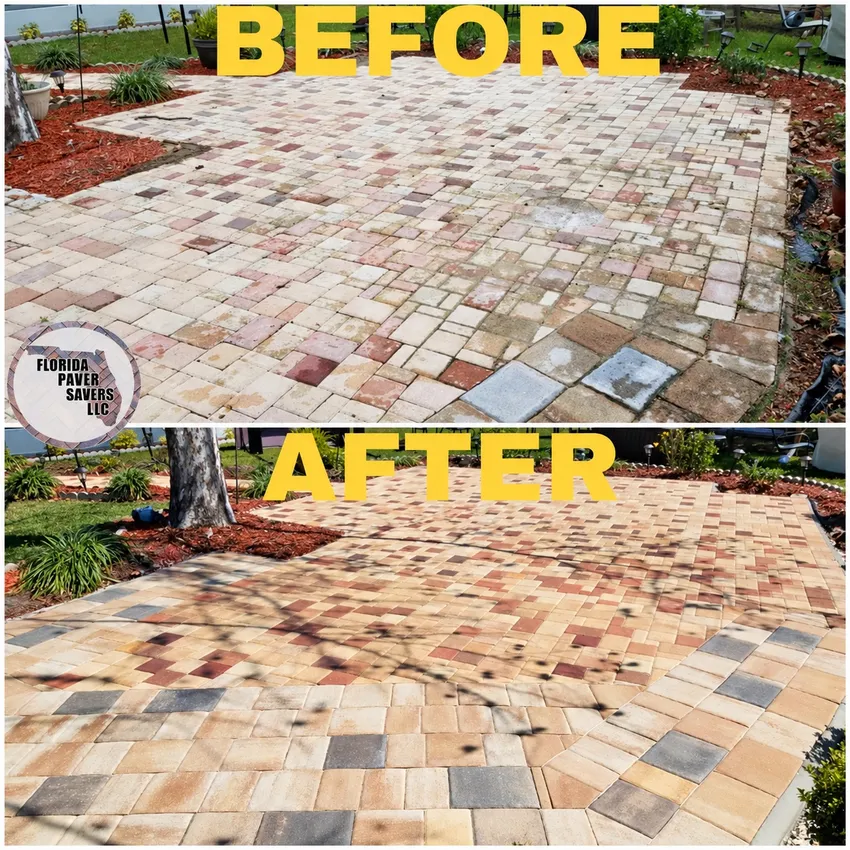
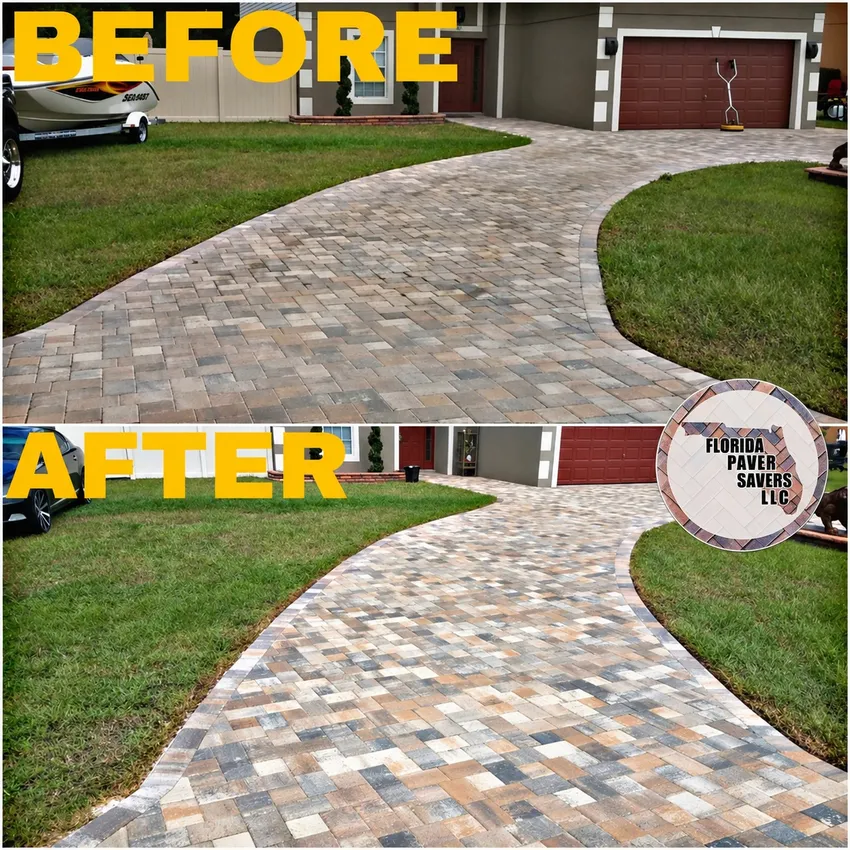
See our cleaning, sealing and restoration work.
COMMON QUESTIONS
Good questions. Clear answers.
Will sealing bring back the color of faded pavers?
Cleaning and sealing can refresh the appearance of weathered pavers and bring out their existing color. The results depend on the pavers’ age and condition. We’ll assess your surface and explain what kind of improvement you can realistically expect.
Will my pavers look shiny after sealing?
Our usual sealer gives pavers an enhanced appearance with a sheen. The finished look varies with the texture and absorbency of the pavers, so every surface responds a little differently.
How often should I have my pavers resealed?
We generally recommend resealing every two to three years. Sun exposure, traffic and ongoing maintenance can affect that timing. We can inspect your pavers and help you decide when they’re ready.
What is included in cleaning and sealing?
Our standard process includes pretreatment, thorough cleaning, rinsing, re-sanding the joints and applying two coats of sealer. We review the condition of your pavers, existing coatings and any problem areas before recommending the work.
Why do you add sand between the pavers?
Joint sand helps the pavers work together and resist movement. Re-sanding replenishes joints where sand is missing, while the sealer we use helps stabilize that sand.
Will sealing stop weeds and algae permanently?
Pavers still need occasional care after sealing. Windblown seeds, debris and moisture can allow weeds or algae to return. Keeping the surface clean helps maintain its appearance between professional services.
How should I maintain my pavers after sealing?
Remove leaves and debris regularly, clean up spills promptly and use cleaning products suitable for your sealed surface. Check with us before using strong chemicals or aggressive pressure washing so we can help you avoid damaging the finish or disturbing the joints.
How long before I can walk or drive on sealed pavers?
Normally, allow 24 hours before foot traffic and 48 hours before vehicle traffic. Weather and curing conditions can extend those times. We’ll provide guidance for your project before you use the area.
How soon can new pavers be sealed?
Our standard practice is to wait at least 90 days after installation. We check the surface and conditions before scheduling the sealing work.
Can pavers that were sealed before be resealed?
Often, yes. We first assess the existing coating and surface condition. Peeling, cloudy areas or an incompatible coating may require additional preparation before another coat can be applied.
Will cleaning and sealing remove every stain or old coating?
Professional cleaning can remove many common stains and make a noticeable difference in your pavers’ appearance. Some stubborn stains may remain, so we cannot guarantee complete removal of every stain. Removing an old coating is a separate process. We’ll assess both stains and existing coatings during your estimate and explain the recommended work and expected results.
Do you require a deposit for sealing?
For typical cleaning and sealing jobs under $3,000, we do not require a deposit.
Will cleaning and sealing my pool deck leave debris in the pool?
We take care when working around your pool, but some sand or cleaning residue can enter the water. Removing existing sand can create additional residue, so some pool cleanup may be needed afterward.
LET'S GET STARTED